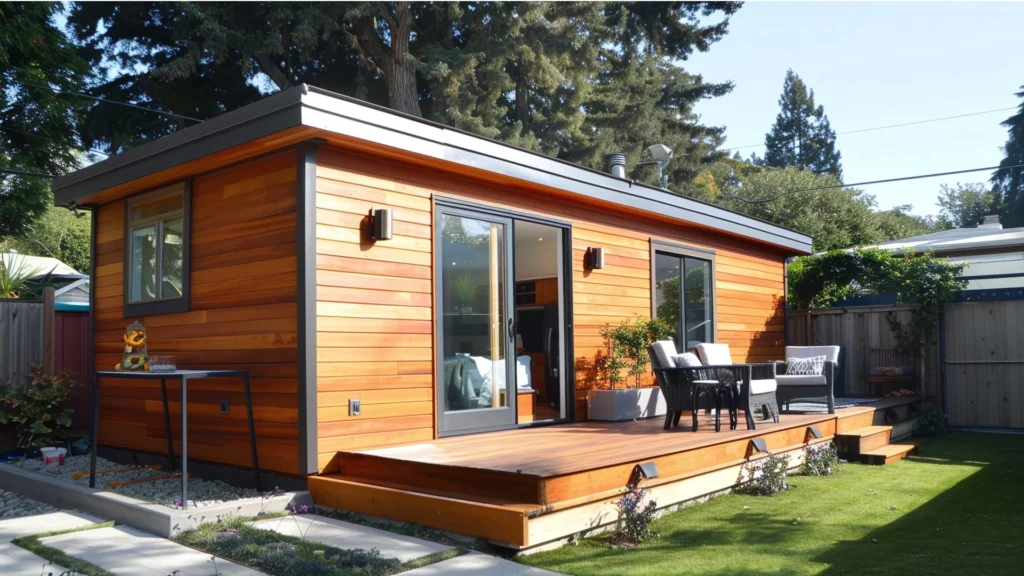

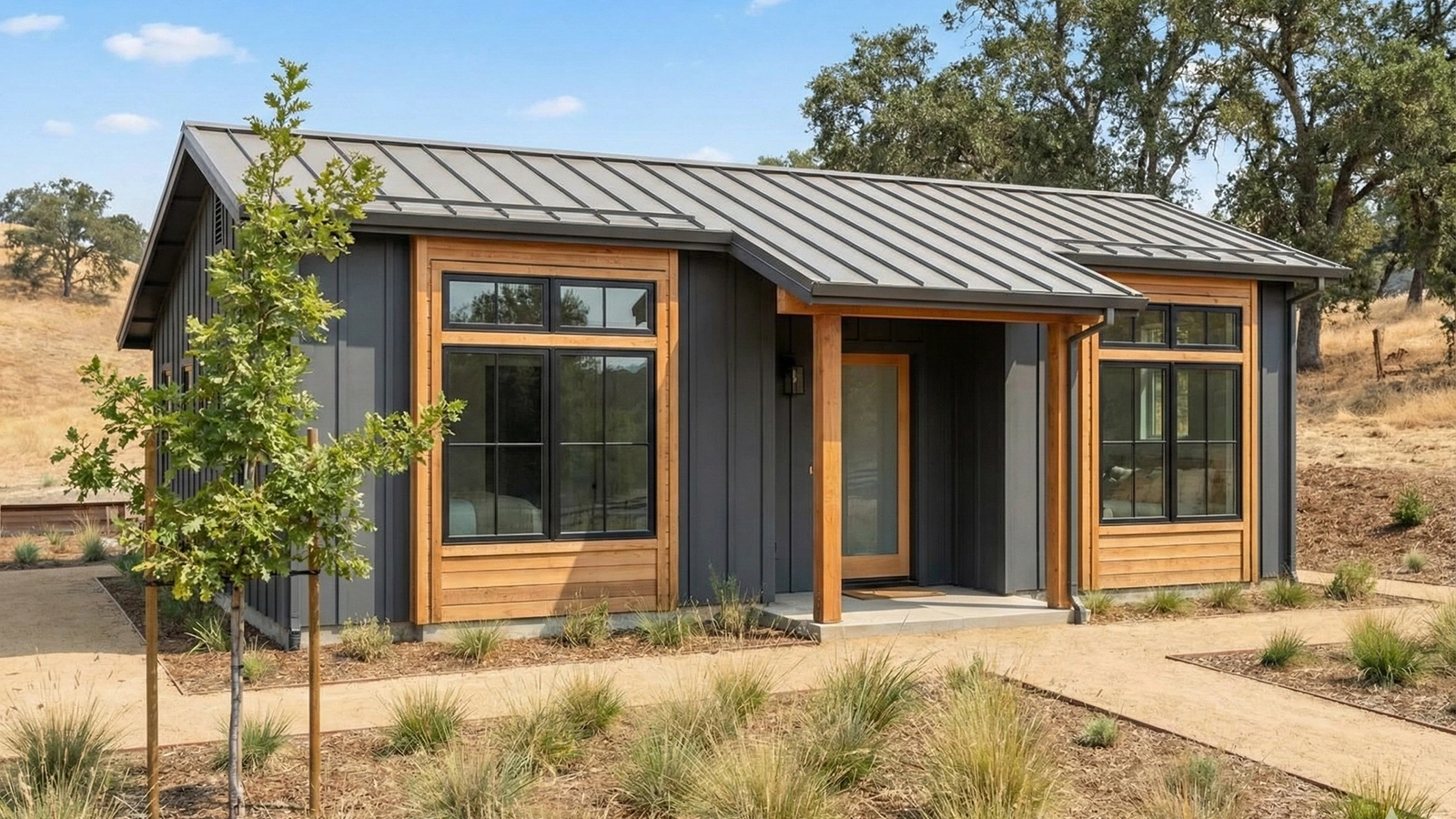
You can sell an ADU separately from the main house in California only if the city or county where the property is located has adopted a local ordinance allowing ADU condominium sales. AB 1033 created this option, but it did not make separate ADU sales automatically available statewide.
For Sacramento homeowners, the answer is more limited:
- City of Sacramento: The general separate-sale pathway is not currently available.
- Unincorporated Sacramento County: We did not find a published local program implementing the general AB 1033 pathway.
- Other California jurisdictions: Some cities and counties have adopted local ordinances, but every property must still qualify and complete the condominium approval process.
- Junior ADUs: A JADU cannot be sold separately from the primary residence.
Information verified July 29, 2026.
What Did AB 1033 Change?
AB 1033 gave California cities and counties the authority to adopt local ordinances allowing a primary residence and one or more ADUs to be conveyed separately as condominiums.
The law took effect January 1, 2024. Its current requirements are found in California Government Code Section 66342.
The important word is “may.” Local governments may adopt an ordinance, but California does not require every jurisdiction to allow separate ADU sales.
AB 1033 did not:
- Automatically give every California ADU a separate title
- Divide the property into two conventional lots
- Guarantee that a lender will approve the conversion
- Eliminate subdivision, mapping or condominium requirements
- Change general ADU setbacks, height limits, approval timelines or fee rules
- Allow junior ADUs to be sold independently
Those subjects are governed by other state and local regulations. Homeowners can review our guide to current California ADU laws for broader development requirements.
Does AB 1033 Apply Automatically Across California?
No. A homeowner generally needs all three of the following before an ADU can be sold separately:
- A local ordinance: The city or county must have adopted the condominium-sale option authorized by Government Code Section 66342.
- An eligible property and ADU: The project must satisfy state law and any additional objective local requirements.
- A completed condominium process: Approval to build an ADU is not the same as approval to create and sell a separate condominium.
The first step is identifying the correct jurisdiction. A Sacramento mailing address, for example, does not necessarily mean the property is inside the City of Sacramento. It may be in unincorporated Sacramento County or another incorporated city with different rules.
Homeowners should ask the local planning department:
- Has the jurisdiction adopted a Section 66342 ordinance?
- Is the ordinance currently effective?
- Does my existing or proposed ADU qualify?
- What map, subdivision and condominium applications are required?
- Are there local restrictions beyond the state requirements?
Do not rely only on a real-estate listing, contractor article or general statement that “California allows ADU sales.”
Where Are Separate ADU Sales Allowed in California?
As of July 29, 2026, the following California jurisdictions have adopted local ordinances or programs allowing qualifying ADUs to be converted into condominiums and sold separately from the primary residence:
| Jurisdiction | Separate-sale status |
| Berkeley | Allowed for qualifying ADUs under Ordinance No. 7,999-N.S. |
| Culver City | Allowed under Municipal Code Section 17.400.096. |
| Gonzales | Allowed when the requirements of Government Code Section 66342 and local regulations are met. |
| Oxnard | Allowed under Municipal Code Section 16-465.12. |
| San Francisco | Allowed for certain qualifying ADUs under the San Francisco Subdivision Code. |
| San José | Allowed through the City’s ADU condominium-conversion program. |
| San Pablo | Allowed for qualifying ADUs under the City’s condominium requirements. |
| Santa Cruz | Qualifying ADUs may be mapped as condominiums and sold separately. |
| Santa Monica | Allowed under Municipal Code Section 9.31.026. |
| Sebastopol | Allowed through the City’s AB 1033 program. |
| City of San Diego | Allowed for qualifying ADUs under the City’s ADU condominium requirements. |
| Unincorporated San Diego County | Allowed through the County’s AB 1033 program, effective April 4, 2026. |
| West Hollywood | Allowed for qualifying ADUs under Government Code Section 66342 and local subdivision rules. |
Being listed does not mean every ADU automatically qualifies. The property must meet local eligibility rules and complete the required condominium, subdivision, lender-consent and recording process.
This list reflects official information available as of July 29, 2026. Homeowners should confirm the current rules directly with their local planning department before starting a condominium conversion.
Can You Sell an ADU Separately in Sacramento?
City of Sacramento
A typical homeowner cannot currently use the general AB 1033 condominium pathway to sell an ADU separately in the City of Sacramento.
Current Sacramento City Code Section 17.228.105 states that an ADU may not be sold or conveyed separately from the primary residence except under the narrow qualified-nonprofit provision in Government Code Section 66341.
Therefore, City of Sacramento homeowners should not assume that an ADU can later be divided from the house and sold as an independent residence.
For information about building and permitting an ADU—not separate ownership—review the current City of Sacramento ADU requirements.
Unincorporated Sacramento County
Unincorporated Sacramento County is a separate jurisdiction. As of July 29, 2026, we did not find a published Sacramento County ordinance or application program implementing the general Section 66342 condominium-sale pathway.
The County’s current ADU guide and published zoning materials do not describe a general AB 1033 separate-sale program.
Because ordinances and departmental procedures can change, property owners should confirm the current position directly with Sacramento County Planning and Environmental Review before paying for legal documents, surveys or subdivision work.
How Does an ADU Condominium Sale Work?
In a participating jurisdiction, the homeowner does not simply sell the backyard building. The property must first go through a legal process that creates separate condominium interests.
Requirements vary locally, but Government Code Section 66342 establishes several core elements.
1. Confirm local eligibility
The planning department must confirm that the local ordinance applies to the property and ADU. An existing building permit or certificate of occupancy does not automatically establish eligibility for separate ownership.
2. Review the title and existing loans
Every lienholder with an interest in the property must consent before the subdivision map or condominium plan can be recorded. This can include a mortgage lender, construction lender or other lienholder.
3. Prepare the required map and condominium documents
The project must comply with the Subdivision Map Act, the local subdivision ordinance and the Davis-Stirling Common Interest Development Act. Surveying, mapping, legal descriptions and condominium governing documents may be required.
A condominium conversion is different from a conventional lot split. The owners may share land, access, utilities or other common property according to the recorded condominium documents.
4. Complete the required safety documentation
Before the condominium plan is recorded, the ADU must have qualifying evidence of a safety inspection. Depending on the circumstances, this may be shown through a certificate of occupancy or an eligible housing-quality report.
5. Obtain required approvals
The application may involve planning, public works, engineering, building, title and county-recording requirements. Properties within an existing homeowners association also require the association’s express written authorization.
6. Notify utility providers
The homeowner must notify the water, sewer, gas and electricity providers about the condominium creation and separate conveyance. Whether separate meters or additional improvements are required depends on the local program, utility provider and property conditions.
7. Record the approved documents
The required subdivision map, condominium plan, lienholder consents and related documents must be recorded before the ADU can receive a separately conveyable condominium interest.
This is a simplified overview. The exact sequence should be confirmed with the local agency and qualified legal, surveying, title and lending professionals.
Can a Mortgage Lender Prevent the Separate Sale?
Yes. California law expressly allows a lienholder to refuse consent.
A condominium conversion changes the legal description of the property and the collateral securing the loan. A lender may impose conditions, require refinancing or decline to approve the conversion.
Speak with every lienholder before spending substantial money on surveys, legal documents or a condominium application. Local approval alone cannot override the lienholder-consent requirement.
What Should You Consider Before Starting the Process?
Separate ownership affects more than the ability to list the ADU for sale. Review these issues early:
- Title: Determine how separate ownership interests would be legally created and recorded.
- Financing: Confirm whether existing lenders will consent and whether future buyers could obtain financing.
- Taxes: Ask a qualified tax professional how conversion, refinancing and a later sale could affect the property’s tax treatment.
- Insurance: Confirm how the primary home, ADU and shared property would need to be insured after conversion.
- Utilities: Identify which services are shared and whether the providers require separate connections or meters.
- Access: Determine how each owner would reach the unit and which areas would be private or shared.
- Maintenance: Establish responsibility for driveways, fences, landscaping, drainage, utility lines and other shared features.
- Condominium obligations: Understand the governing documents, assessments, dispute procedures and ongoing responsibilities.
- Professional expenses: Budget for planning, surveying, mapping, legal, title, recording and possible utility work.
- Marketability: Discuss financing and resale considerations with qualified real-estate and lending professionals.
Resolve these questions before deciding whether a separate sale is practical—not after the ADU has been designed or constructed.
What Is the Qualified-Nonprofit Exception?
Government Code Section 66341 creates a separate, narrow pathway involving a qualified nonprofit corporation, an eligible buyer, recorded affordability restrictions and a qualifying tenancy-in-common agreement.
This is not the ordinary AB 1033 condominium process, and it is not a general exception available to every homeowner who wants to sell an ADU to a family member or private buyer.
Can a Junior ADU Be Sold Separately?
No. California law requires a recorded deed restriction prohibiting a junior accessory dwelling unit from being sold separately from the single-family residence.
This restriction is established in Government Code Section 66333. A local AB 1033 ordinance does not convert a JADU into a separately sellable condominium.
Should You Build an ADU Assuming You Can Sell It Later?
No. Do not base your construction budget or financing plan on a future separate sale unless:
- The local government currently permits the process
- The specific property and ADU are eligible
- Every lienholder is willing to consent
- The legal, mapping, utility and financial requirements have been evaluated
- Qualified professionals have confirmed that the plan is practical
A future city council could adopt or change an ordinance, but homeowners should make decisions based on rules that apply today.
Evaluate the ADU first for the uses currently permitted on the property, such as housing for family members or long-term rental use where allowed. You should also consider the complete construction budget, described in our guide to the cost of building an ADU in Sacramento.
Planning an ADU in Greater Sacramento?
Good Life Construction provides ADU design and construction in Sacramento, including site planning, permitting and construction coordination.
We are a family-owned, licensed, bonded and insured California general contractor serving Sacramento since 2009. CSLB #979670.
Contact Good Life Construction to discuss the design and construction requirements for your property. Questions involving separate ownership, title, taxes, lending or insurance should also be reviewed with the appropriate qualified professionals.
This article provides general educational information and does not constitute legal, tax, lending, title, real-estate or insurance advice. Regulations and local programs can change, and property-specific eligibility must be confirmed with the applicable government agency and qualified professionals.