
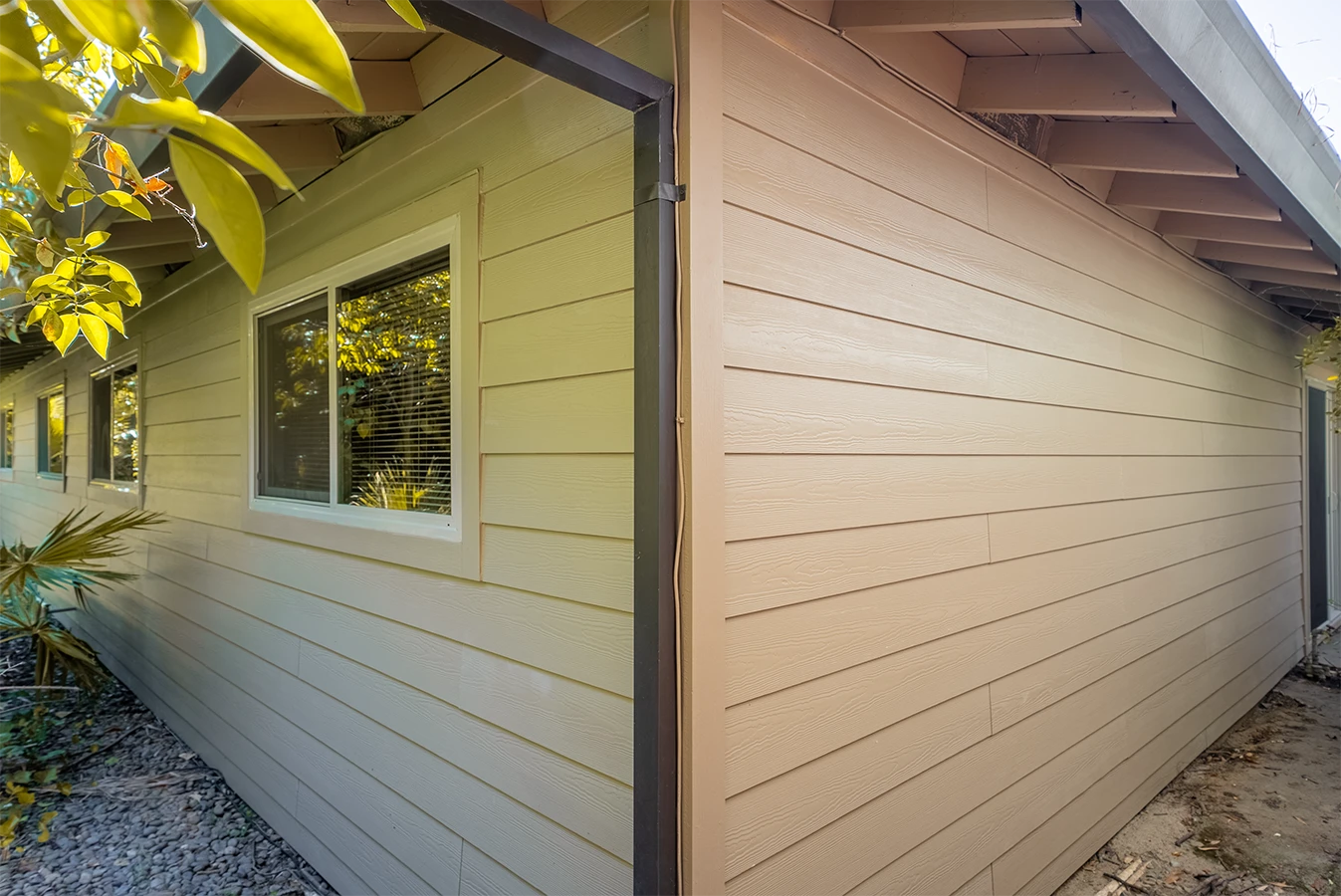
Damaged siding does not always mean your whole home needs new siding. Small cracks, loose panels, or one damaged section can often be repaired. But if the damage is widespread, moisture-related, hard to match, or connected to dry rot, siding replacement may be the better long-term choice.
The right decision depends on the damage, siding material, age of the siding, hidden moisture, and condition of the wall behind it.
Quick Answer: Is It Better to Repair or Replace Siding?
Repair siding when the damage is small, isolated, and the wall behind it is dry and solid. Replace siding when damage is widespread, moisture-related, hard to match, or connected to dry rot, old materials, or repeated repairs.
| Factor | Repair May Work | Replacement May Be Better |
| Damage size | One small area | Several walls or sections |
| Siding age | Newer siding | Old, faded, or brittle siding |
| Moisture | No soft spots or stains | Soft wood, stains, or dry rot |
| Matching | Same material is available | Color or profile is discontinued |
| Cost | Repair cost is reasonable | Repair cost is close to replacement |
If you are unsure, an inspection can help you avoid unnecessary replacement while also catching hidden damage early.
When Siding Repair May Be Enough
Siding repair can be the best choice when the problem is limited and the rest of the exterior is still in good condition.
Small Cracks, Holes, or Impact Damage
If one board or panel was damaged by a branch, tool, ball, or small accident, you may only need to replace that section.
This works best when the same siding material is still available and the wall behind it is dry and solid.
Loose or Shifted Siding
Wind, fasteners, or normal movement can cause siding to loosen. If the material is still in good shape, a contractor may be able to secure it and correct the issue before water gets behind it.
Minor Trim or Caulking Problems
Cracked caulking around windows, doors, trim, or corners does not always mean you need new siding. But it should be repaired before rain reaches the wall behind the siding.
One Damaged Board or Panel
If the damage is limited to one board, plank, or panel, repair is usually worth checking first. This is especially true if the siding is newer and still matches well.
When Siding Replacement Is the Better Choice
Siding replacement is usually better when the siding is no longer protecting the home properly.
Damage Is Widespread
If siding is cracked, warped, loose, or rotted in several areas, small repairs may turn into repeated patchwork. Replacement can give the home better protection and a cleaner finished look.
There Is Dry Rot or Soft Wood
Dry rot is a major warning sign. If siding, trim, sheathing, or framing feels soft, the damage may go deeper than the surface.
In Sacramento-area homes, dry rot is often found near windows, doors, decks, balconies, roof edges, and trim where water can sit or enter behind the exterior finish.
The Siding Is Old, Brittle, or Faded
Older siding can be harder to repair. Vinyl can become brittle. Painted siding can fade. Older profiles may no longer be available.
Even if repair is possible, the new section may stand out from the rest of the wall.
The Same Problem Keeps Coming Back
If the same area has already been patched before, the real issue may be behind the siding. It could be failed flashing, trapped moisture, damaged trim, or hidden rot.
Another surface repair may not solve the cause.
Repair Cost Is Too Close to Replacement Cost
A repair may seem cheaper at first, but the price can grow if trim, sheathing, flashing, paint, or dry rot repair is also needed.
If the repair cost is close to replacing a full wall or full siding system, replacement may offer better long-term value.
Red Flags That May Mean Hidden Damage
Call a professional if you notice:
- Soft or spongy siding
- Swollen trim
- Dark stains
- Bubbling or peeling paint
- Moldy smell near exterior walls
- Interior stains near windows or baseboards
- Siding pulling away from the wall
- Cracks around windows or doors
- Pest or termite activity
- Repeated caulking failure
- Water entering during rain
These signs may mean water is getting behind the siding. The repair decision should be made after checking what is underneath.
Why Sacramento Homes Need a Local Siding Evaluation
Sacramento and Northern California homes deal with hot sun, dry summers, winter rain, and seasonal movement. The National Weather Service describes Sacramento summers as warm, dry, and sunny, with most rain falling during the winter rainy season.
That matters because:
- Strong sun can fade siding and make repairs harder to match.
- Heat can cause expansion, contraction, and caulking failure.
- Winter rain can expose weak flashing or gaps.
- Moisture behind siding can lead to dry rot.
- Older homes may have discontinued siding profiles.
- Foothill and wildfire-adjacent areas may need more careful material choices.
For wildfire safety, siding is only one part of the exterior. Defensible space, vents, decks, fences, and nearby materials also matter.
Repair vs Replacement by Siding Material
Vinyl Siding
Vinyl siding can often be repaired if only one or two panels are damaged. Replacement may be better when vinyl is brittle, badly faded, warped, cracked in many areas, or hard to match.
Fiber Cement Siding
Fiber cement siding is durable, but it can crack or fail if moisture reaches damaged edges. Repair may work for a few boards. Replacement may be better if cracking, moisture damage, or installation issues are widespread.
Engineered Wood Siding
Engineered wood siding can be repaired when damage is limited. Replacement may be better when there is swelling, edge damage, repeated paint failure, or moisture behind the boards.
Wood Siding
Wood siding is repairable, but it needs regular maintenance. Individual boards can often be replaced. Replacement may be better if there is widespread rot, pest damage, splitting, warping, or constant repainting.
Stucco or Exterior Wall Finish
Small stucco cracks may be repaired. Larger cracks, bulging, staining, or repeated moisture problems should be inspected because the issue may be behind the finish.
Cost and Long-Term Value
The cheapest option is not always the best option. A good siding decision should consider both today’s cost and future risk.
Main cost factors include:
- Size of the damaged area
- Siding material
- Height and access
- Matching difficulty
- Dry rot or sheathing repair
- Trim replacement
- Flashing or weather barrier work
- Painting or finish blending
A repair is a good value when it fixes the real problem. If it only covers the surface while moisture or rot continues behind the siding, it may cost more later.
Why a Professional Inspection Matters
Siding problems are not always only siding problems. Sometimes the real issue is moisture, flashing, trim, sheathing, or dry rot behind the siding.
A contractor should check:
- Siding material and age
- Damage pattern
- Trim, corners, and joints
- Flashing around windows and doors
- Areas near decks, balconies, and rooflines
- Signs of dry rot or pest damage
- Whether the wall behind the siding is solid
This helps determine whether repair or replacement is the better choice.
How Good Life Construction Can Help
Good Life Construction is a licensed and insured general contractor serving Sacramento and surrounding Northern California communities. Our team works on siding repair, siding replacement, stucco repair, dry rot repair, structural repairs, exterior repairs, remodeling, and property upgrades.
Because siding damage can be connected to moisture, trim, flashing, sheathing, or framing, we look beyond the surface before recommending repair or replacement.
Learn more about our siding repair and replacement services in Sacramento.
Final Answer: Should You Repair or Replace Your Siding?
Repair your siding if the damage is small, the surrounding material is in good condition, and there are no signs of hidden moisture or rot.
Replace your siding if the damage is widespread, the siding is old or failing, repairs will not match, or there are signs of dry rot, water intrusion, or repeated problems.
If you are not sure, do not guess. A professional inspection can help you choose the right option and prevent hidden damage from getting worse.
Not sure if your siding needs repair or replacement? Contact Good Life Construction for a siding estimate in the Sacramento area. We can inspect the damage, check for related issues, and recommend the right next step for your home.
FAQ
Is it better to repair or replace damaged siding?
It depends on the size and cause of the damage. Small, isolated damage can often be repaired. Replacement is usually better when damage is widespread, moisture-related, recurring, or connected to dry rot.
Can I replace only one section of siding?
Yes. One section can often be replaced if the material is available, the color and profile can be matched, and the wall behind it is still in good condition.
What are signs that siding has hidden water damage?
Common signs include soft siding, swollen trim, dark stains, bubbling paint, moldy smell, interior wall stains, and siding pulling away from the wall.
Does dry rot mean I need full siding replacement?
Not always. A contractor needs to inspect how far the rot has spread. Sometimes only one section needs repair. Other times, larger replacement is the better option.
Why does repaired siding sometimes look different?
Older siding fades from sun exposure. Even if the same product is available, a new piece may look brighter or slightly different from the existing siding.
Should I repair siding myself?
Small vinyl siding repairs may be possible for some homeowners. But if there is moisture, rot, stucco damage, second-story work, or window/door leaking, it is safer to call a professional.