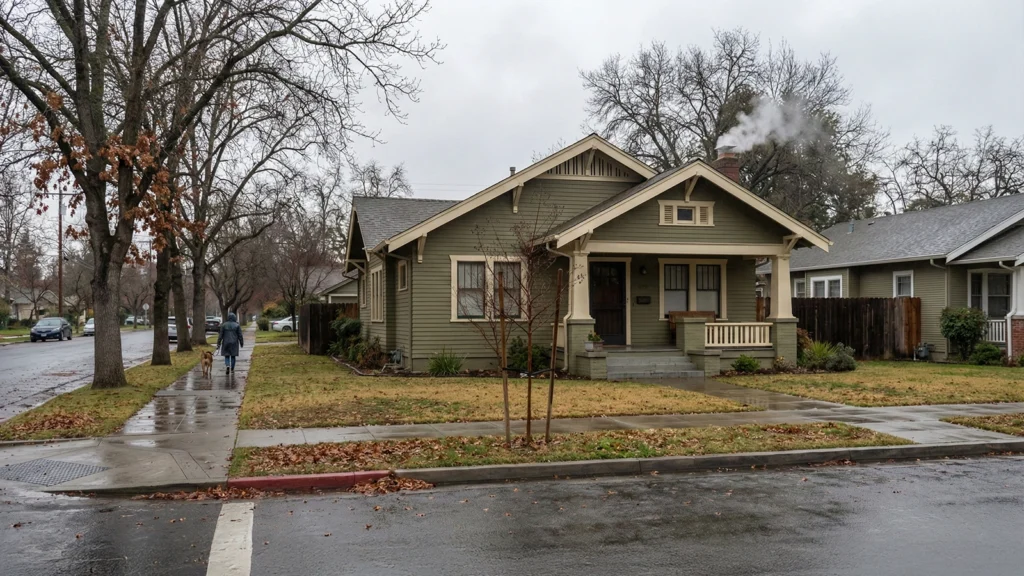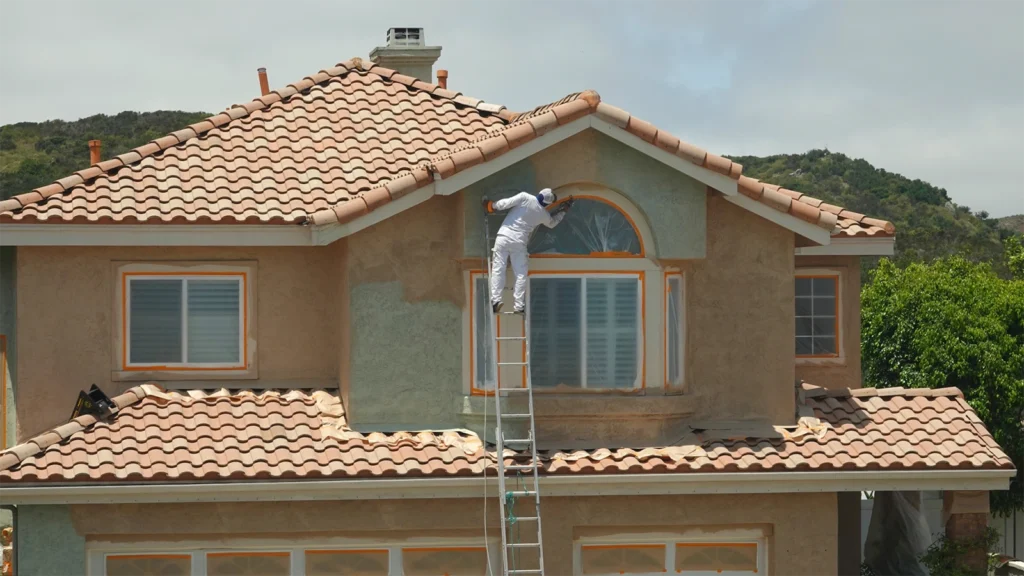

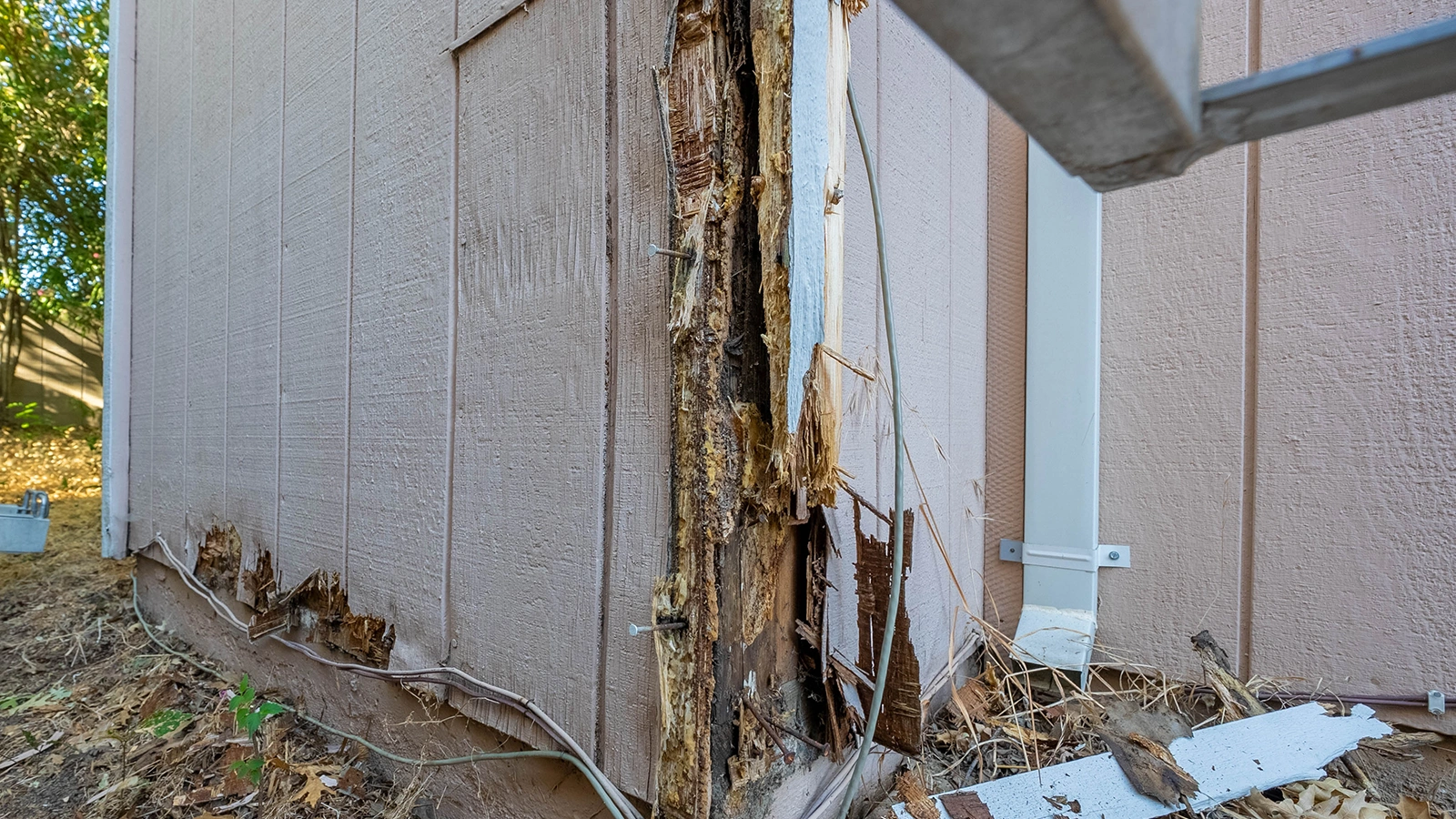
The best way to prevent dry rot is to keep wood from staying wet. Repair leaks promptly, maintain roofing and flashing, keep gutters and drainage working, protect exposed wood, control condensation, and prevent soil or sprinklers from repeatedly wetting your home.
If wood is already soft, brittle, crumbling, loose, or unstable, preventive maintenance is no longer enough. The source of the moisture should be corrected, and the damaged area may need professional evaluation and repair.
Dry Rot Prevention at a Glance
| What to check | How it helps prevent dry rot |
| Roofs, flashing, plumbing, windows, and doors | Stops water from reaching wood |
| Gutters, downspouts, grading, and drainage | Moves rainwater away from the building |
| Paint, coatings, sealants, and exterior joints | Protects sound wood from weather exposure |
| Sprinklers, soil, mulch, and debris | Prevents repeated wetting and trapped moisture |
| Bathrooms, laundry areas, crawlspaces, and ventilation | Reduces persistent humidity and condensation |
| Decks, balconies, stairs, and exterior connections | Prevents water from collecting at vulnerable joints |
| Exterior wood after storms or known leaks | Helps identify moisture problems before damage becomes extensive |
What Causes Dry Rot?
“Dry rot” is a common term for fungal wood decay. Despite its name, dry rot does not begin because wood is dry. Wood-decay fungi need moisture and other suitable conditions to grow.
Moisture can reach wood through:
- Roof or plumbing leaks
- Failed flashing around windows, doors, roofs, and wall intersections
- Cracked sealants or open exterior joints
- Peeling or failed paint and protective coatings
- Clogged gutters or overflowing downspouts
- Poor drainage next to the building
- Sprinklers repeatedly hitting siding, trim, posts, or stairs
- Soil, mulch, concrete, leaves, or stored materials holding moisture against wood
- Condensation or poor drying in crawlspaces and other enclosed areas
A stain or past leak does not automatically confirm dry rot. It shows that a moisture condition may need attention.
What Are the Early Signs of Dry Rot?
Homeowners may notice:
- Wood that feels unusually soft, spongy, brittle, or crumbly
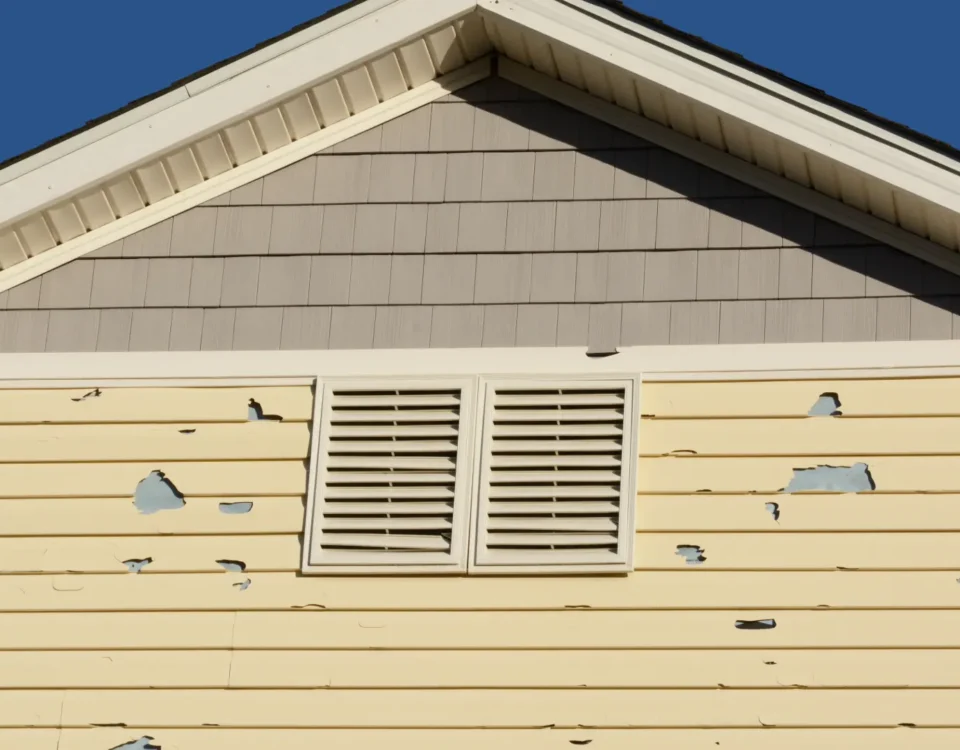
- Peeling, bubbling, or cracked paint
- Persistent staining, dampness, or discoloration
- Cracks, shrinkage, or changes in the wood surface
- Loose trim or deteriorated joints
- Fungal growth or mushroom-like fruiting bodies
- A musty odor near damp building materials
- Sagging, movement, or instability in a wood component
These signs may indicate moisture damage or wood deterioration, but they do not identify the exact cause or show how far the damage extends. Termites, fungal decay, installation problems, and other conditions can sometimes create similar symptoms.
Where Does Dry Rot Commonly Develop?
Wood decay usually develops where water enters, collects, or dries slowly.
Roof Edges, Fascia, and Trim
Roof leaks, overflowing gutters, failed drip edges, and damaged flashing can wet fascia, soffits, rafter tails, and nearby trim. Recurring stains or peeling paint below a roof edge deserve attention.
If you notice damaged roof edges, loose flashing, or recurring ceiling stains, arrange an appropriate roof repair evaluation.
Windows and Doors
Open joints, failed sealants, damaged flashing, or worn sills can allow water into trim and framing. Look for peeling paint, staining, soft trim, or recurring dampness around the opening.
When the opening or surrounding materials are damaged, professional window repair or installation may be needed.
Siding and Exterior Walls
Wood siding and trim are particularly vulnerable near penetrations, wall transitions, lower edges, and areas repeatedly hit by sprinklers. Damaged cladding may also conceal deterioration in the materials behind it.
Learn more about Good Life Construction’s siding repair and installation services.
Decks, Balconies, Porches, and Stairs
Water can remain at deck ledgers, post bases, railing connections, stair assemblies, and debris-filled joints. Loose railings, movement, or soft components should not be treated as cosmetic problems.
Good Life Construction provides deck repair and replacement throughout Greater Sacramento.
Crawlspaces and Subfloors
Plumbing leaks, ground moisture, poor drainage, condensation, and inadequate drying can affect floor framing and subfloors. Visible symptoms inside the home may not show the entire condition below.
Bathrooms, Kitchens, and Laundry Areas
Slow plumbing leaks and repeated water exposure around tubs, showers, toilets, sinks, dishwashers, washing machines, and supply lines can affect cabinets, subfloors, wall framing, and trim.
How to Prevent Dry Rot
1. Repair Water Leaks Promptly
Address roof and plumbing leaks, as well as leaks around windows, doors, and exterior wall joints, promptly. Drying or repainting the visible surface will not solve continuing water entry.
After a leak, check nearby finishes and accessible wood for continued dampness, staining, movement, or deterioration. If moisture returns after the area has dried, the source has probably not been fully corrected.
2. Maintain Roofing, Flashing, Gutters, and Drainage
Keep gutters and downspouts clear so water can leave the roof without overflowing onto fascia or siding. Confirm that downspouts discharge where water can move away from the structure instead of collecting near the foundation.
Watch flashing around roof penetrations, wall intersections, windows, doors, chimneys, and other transitions. Damaged or incorrectly installed flashing can direct water into concealed wood even when the exterior surface looks acceptable.
3. Maintain Paint, Coatings, Sealants, and Exterior Joints
Paint and exterior coatings help protect sound wood from weather exposure. Check for peeling paint, exposed end grain, cracked sealant, open joints, and gaps around penetrations.
Correct the source of water entry and repair damaged wood before applying a new finish. Paint, caulk, or cosmetic filler should not be used to cover soft or deteriorated material.
4. Keep Irrigation, Soil, and Debris Away From Wood
Adjust sprinklers so they do not repeatedly spray siding, trim, posts, decks, stairs, or window openings. A small amount of repeated irrigation can keep the same building materials wet throughout Sacramento’s otherwise dry summer.
Keep soil, mulch, leaves, and stored materials from trapping moisture against wood. Untreated wood should not remain in direct contact with the ground. If landscaping or grade changes have covered lower siding or trim, have the clearance and drainage condition reviewed.
5. Control Persistent Humidity and Condensation
Use bathroom and kitchen exhaust systems as intended, repair sources of recurring condensation, and keep required crawlspace or building ventilation unobstructed. Damp building materials need an opportunity to dry.
Persistent humidity or condensation in bathrooms, laundry areas, crawlspaces, and other enclosed spaces may require further evaluation. High indoor humidity does not by itself confirm dry rot, but repeated moisture exposure can create conditions that support wood decay.
Do not add, close, or modify building vents without understanding the building’s design and applicable requirements.
6. Keep Deck and Balcony Joints From Trapping Water
Remove leaves and debris from gaps, corners, drains, and connections where water can collect. Look for failed coatings, open joints, loose fasteners, or movement at ledgers, posts, stairs, and railings.
Do not rely on a surface coating if the component beneath it is already soft or unstable.
7. Use the Right Materials and Installation Details
When exterior wood must be repaired or replaced, the material and installation should match the location and level of weather exposure. Depending on the project, this may include decay-resistant or pressure-treated materials, protected cut ends, proper flashing, adequate clearances, and joints that let water drain instead of collecting against the wood.
Material selection and installation should follow the project specifications, manufacturer requirements, and applicable building standards. Even moisture-resistant materials can deteriorate when water is repeatedly trapped by poor drainage or incorrect detailing.
8. Check Vulnerable Areas After Rain or a Known Leak
After heavy rain, look at roof edges, window and door openings, lower siding, decks, ceilings, and other areas with a history of water exposure. After a plumbing leak, continue watching the surrounding area after the visible water is gone.
Photos can help document changes over time. If dampness, staining, or peeling paint returns, find the moisture source instead of covering the symptom.
A Simple Sacramento Dry-Rot Prevention Checklist
Sacramento homes face two common periods of moisture exposure: seasonal rain and dry-season irrigation. Check vulnerable exterior areas before the rainy season, after major storms, and while sprinklers are operating during the summer.
| When to check | What to do |
| Before the rainy season | Clear gutters, check flashing and exterior joints, remove trapped debris, and examine exposed wood and coatings |
| After heavy rain | Look for new stains, gutter overflow, standing water, water splashing against the house, and areas that remain damp |
| During dry-season irrigation | Redirect sprinklers, keep soil and mulch below wood components, and correct drainage that holds water against the house |
| After a roof or plumbing leak | Stop the source, allow appropriate drying, monitor for returning moisture, and seek help if wood is soft, concealed, or unstable |
What Should You Do If You Find Suspected Dry Rot?
- Identify and stop the moisture source when it is safe and practical.
- Do not cover the area with paint, caulk, wood filler, or cosmetic trim.
- Do not assume the visible deterioration shows the full extent.
- Avoid using or loading any structural component that feels unstable.
- Obtain an appropriate evaluation when damage is soft, widespread, concealed, structural, or uncertain.
- Make moisture correction part of the repair plan so replacement materials are not exposed to the same condition.
Routine maintenance—such as clearing accessible gutters, redirecting a sprinkler, removing debris, or maintaining a sound painted surface—is different from repairing established wood decay.
Paint, cosmetic filler, epoxy, or wood hardener does not by itself restore the strength of a damaged structural member. Avoid cutting, scraping, chemically treating, or filling deteriorated framing, decks, balconies, stairs, floors, posts, beams, or roof components without knowing the extent and structural role of the wood. Chemical products also have product-specific label, safety, and licensing requirements; this guide does not recommend a DIY fungicide or pesticide treatment.
Who Should You Call for Suspected Dry Rot?
The appropriate professional depends on what needs to be identified or repaired.
| What is needed | Appropriate professional |
| A formal wood-destroying-organism report is required | Use an appropriately licensed California Branch 3 WDO professional |
| Damaged building components must be repaired or replaced | Use a properly licensed contractor after the condition and scope are established |
| Structural capacity or a repair design must be determined | Consult a structural engineer |
Stop using or loading a deck, stair, railing, floor, post, beam, or other component that feels unstable until it has been appropriately evaluated.
Frequently Asked Questions
Can dry rot develop without moisture?
Wood-decay fungi require suitable moisture conditions. Keeping wood dry is the most important prevention measure. Drying an affected area may stop additional fungal activity, but it does not restore strength already lost or eliminate the need to repair damaged wood.
Does painting wood prevent dry rot?
Paint and exterior coatings can help protect sound, properly prepared wood from weather exposure. However, paint will not correct a leak, repair decayed material, or protect wood when water enters through failed flashing, open joints, or an uncoated surface. Painting over soft or deteriorated wood can hide the condition while the moisture problem continues.
Does dry rot spread?
Fungal decay can extend through susceptible wood where moisture and other conditions support growth. That does not mean every nearby surface is automatically affected. Because concealed deterioration may extend beyond what is visible, the area should be evaluated rather than treated based on assumptions.
Is dry rot the same as mold?
No. Both involve fungi and moisture, but they are not the same condition. Mold generally grows on surfaces and is commonly discussed as an indoor-environment concern. Wood-decay fungi break down components of wood and can reduce its strength.
Is dry rot the same as termite damage?
No. Termites are insects that tunnel through and consume wood; dry rot is fungal wood decay. The conditions and visible signs can sometimes be confused. Review the signs of termite damage and obtain appropriate identification before choosing a repair or treatment.
Good Life Construction also provides termite-damage repair after the condition and repair scope are established.
How often should homeowners check for wood damage?
There is no single interval that fits every property. Check vulnerable exterior areas as part of regular maintenance, before the rainy season, after heavy rain, after roof or plumbing leaks, and whenever paint, sealants, flashing, drainage, or irrigation conditions change.
Can rotted wood be repaired, or must it be replaced?
It depends on the location, extent, remaining strength, and structural role of the component. Damaged structural wood may require repair or replacement, but the correct method cannot be selected from appearance alone.
Need Help With Dry Rot Damage?
If you have found soft, deteriorated, or moisture-damaged wood, Good Life Construction provides dry-rot and structural wood repair throughout Greater Sacramento.
Good Life Construction is a family-owned residential and commercial general contractor serving the Sacramento area since 2009. We are licensed and insured under CA CSLB #979670.
Request an Estimate or call (916) 833-1379.