
You can have the best architect, a great contractor, and high-quality materials — and still end up with cracks in the slab, water pooling near the building, or uneven settling.
In many cases, the real problem started before construction even began — during site preparation (also called earthwork, excavation, and grading).
If the ground isn’t prepared correctly, everything built on top is at risk. This guide explains what proper earthworks include, why it matters, and how to recognize quality work before problems appear.
What Is Site Preparation in Construction?
Construction site preparation is the process of transforming raw land into a stable, build-ready surface.
It’s much more than “moving dirt.” Professional site preparation usually includes:
- Site assessment + soil conditions review
- Excavation (removing unsuitable soil/materials)
- Grading (shaping the land to correct elevations and slopes)
- Cut and fill (balancing earth movement to create a stable pad)
- Compaction (densifying soil in layers to prevent settling)
- Drainage planning (directing water away from structures)
- Erosion control (keeping soil in place during and after construction)
Think of site prep like the foundation under your foundation. If it’s done correctly, the build goes smoother and lasts longer.
Why Earthwork Is the First Step in Any Successful Build
1) It protects your foundation from settling and cracking
Concrete slabs and footings are only as strong as the soil beneath them. If soil isn’t compacted properly, it can settle later and cause:
- cracks in slabs and walls
- uneven floors
- doors that stick
- long-term structural movement
Fixing foundation issues after the build is usually far more expensive than doing site prep right from the start.
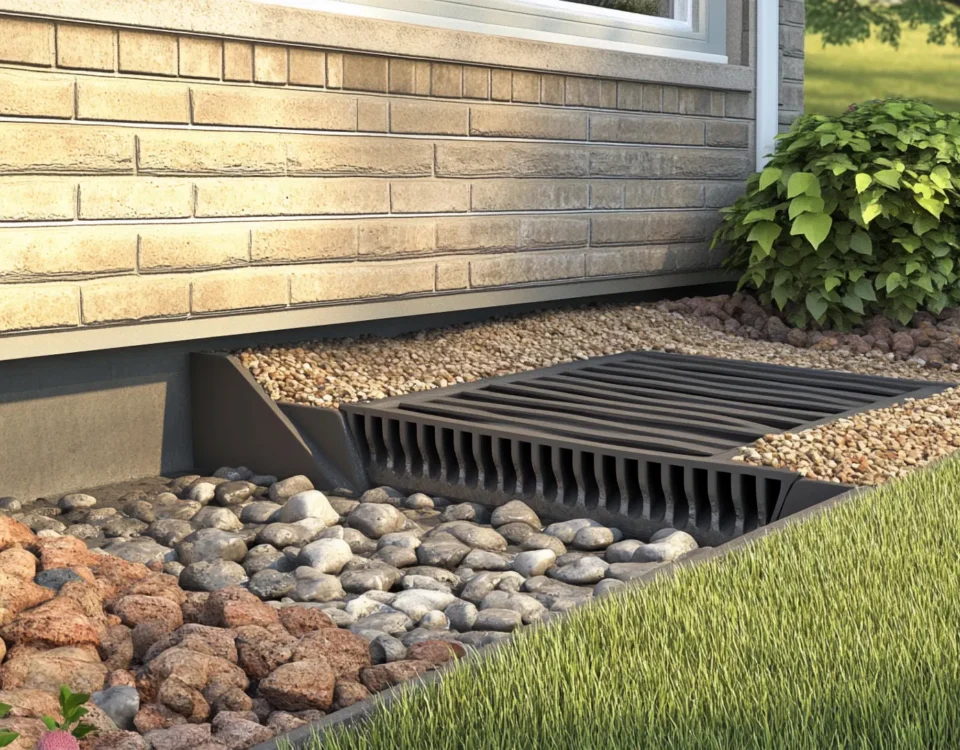
2) It prevents drainage problems before they happen
Drainage issues are one of the most common (and most frustrating) problems property owners face.
If grading is wrong, water may flow toward the building instead of away from it. That can lead to:
- puddling and erosion
- foundation moisture problems
- mold risk in enclosed areas
- damaged landscaping and hardscape
Proper grading and drainage planning should happen before pouring concrete.
3) It reduces delays, rework, and inspection issues
Site prep impacts:
- engineering requirements
- permit compliance
- inspection approval
- construction scheduling
Good earthwork teams document their work, test compaction when required, and keep the project moving.
4) It improves long-term durability and property value
A build on properly prepared ground typically performs better for decades. Poor preparation often shows up later during:
- resale inspections
- remodels and additions
- drainage upgrades
- driveway or flatwork replacement
The Most Important Parts of Earthwork and Site Preparation
Soil review and planning
Before excavation starts, the team should understand:
- soil type (clay, sand, mixed, rocky)
- moisture behavior
- stability and bearing conditions
- drainage patterns
- any problem areas (soft spots, fill, contamination)
Different soil conditions require different approaches — especially in areas with clay soils or seasonal moisture changes.
Excavation and pad preparation
Excavation isn’t just digging. It should be precise:
- remove unsuitable materials
- reach stable layers
- shape a build pad to plan
- manage excavated material properly
- protect utilities and site boundaries
Quality excavation sets the stage for clean grading and compaction.
Solve Civil are earthworks specialists who understand how soil conditions directly impact every subsequent construction phase, ensuring thorough analysis before work begins.
Compaction (the step you should never rush)
Compaction is one of the most critical steps in construction site preparation.
Good compaction work usually means:
- placing fill in controlled layers
- compacting each layer properly
- adjusting moisture when needed
- using the correct equipment for the soil type
Skipping layers or rushing compaction is a common reason slabs settle later.
Grading for drainage and water control
A properly graded site directs water away from structures and protects the build.
Good grading considers:
- slope away from buildings
- swales and drainage paths
- runoff from neighboring properties
- stormwater movement
- where water goes during heavy rains
If drainage isn’t planned early, “fixes” later often require ripping up finished work.
How to Recognize Quality Site Prep During a Project
Signs of good earthwork
- A clear plan and logical sequence (excavate → build pad → compact → grade → verify)
- The right equipment for each phase
- Clean, organized staging and erosion control
- Work pauses or changes based on soil moisture/weather conditions
- Documentation when required (plans, testing, inspection coordination)
Red flags
- No planning or soil consideration at all
- Compaction done quickly without layer control
- Poor drainage decisions (“we’ll fix it later”)
- Using unsuitable fill materials
- Working in conditions that compromise soil stability
Site Preparation Checklist Before Construction Starts
Use this checklist when planning a project:
- Confirm site access, equipment path, and staging area
- Review soil and drainage conditions
- Plan excavation depth and build pad elevations
- Decide cut/fill strategy to reduce waste and improve stability
- Confirm compaction approach
- Plan drainage direction before concrete work
- Keep permit/inspection requirements in mind
FAQ: Earthwork, Grading, and Site Preparation
What’s the difference between excavation and grading?
Excavation removes material to reach the right depth and conditions. Grading shapes the surface to the correct elevations and drainage slopes.
Do I really need compaction?
Yes. Compaction helps prevent settling and movement. Without it, slabs, driveways, and foundations can crack over time.
Why do drainage problems show up after construction?
Because grading decisions were wrong early on. Once a building and hardscape are in place, correcting drainage often becomes expensive.
How long does construction site preparation take?
It depends on the site size, soil conditions, access, weather, and scope (excavation, grading, compaction, drainage prep). A professional contractor can provide a schedule after assessing the site.
Can I build if the ground looks “flat”?
Flat does not mean stable or properly graded. The site still needs correct soil preparation, compaction, and drainage planning.
Work With Professionals Who Get the Groundwork Right
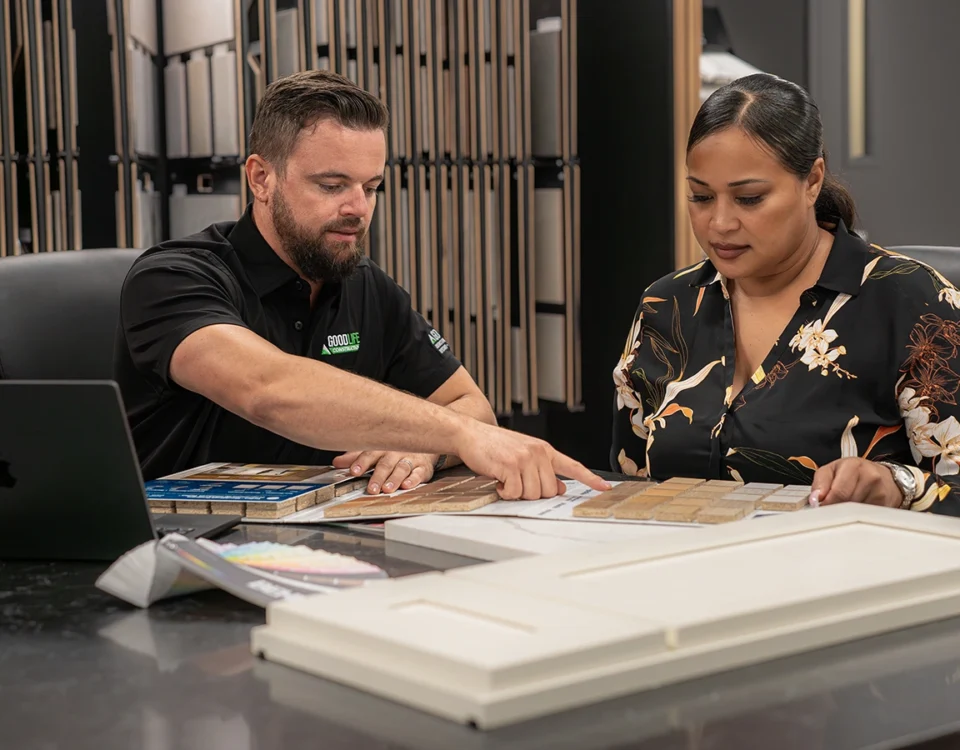
At Good Life Construction, we treat site preparation as the foundation of the entire project — because it is. As expert home builders, we know that proper earthwork, excavation, grading, compaction, and drainage planning help prevent costly issues and support long-term durability.
If you’re planning a build or major renovation, we can help you start right — with a stable site and a cleaner construction process.
Ready to plan your project? Contact Good Life Construction to discuss your site and next steps.