

If you’re comparing vinyl siding vs wood siding, you’re likely trying to make a smart, long-term choice—one that looks great and won’t turn into a maintenance headache. At Good Life Construction, we’re an experienced siding contractor and install both vinyl and wood siding every season, so this guide is based on what actually holds up (and what fails) on real homes—not marketing claims.
Quick Verdict
- Choose vinyl if you want low maintenance, predictable ownership, and a clean exterior refresh without routine repainting.
- Choose wood if you want authentic character and maximum customization—and you’re prepared for ongoing upkeep (paint/stain/seal, caulking, and periodic repairs).
What Is Vinyl Siding?
Vinyl siding is exterior cladding made primarily from rigid PVC. It’s designed to shed water and protect your home when paired with proper house wrap/WRB, flashing, and drainage details. Vinyl siding example:
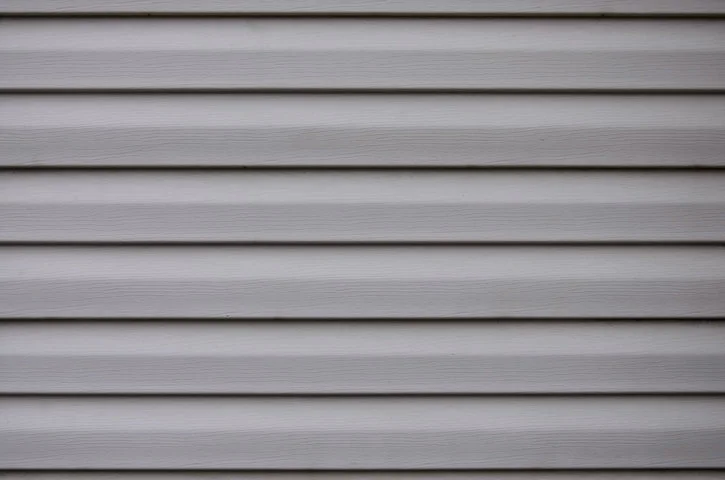
Common vinyl styles
- Lap / clapboard
- Dutch lap
- Board-and-batten look (vertical)
- Shake / shingle profiles
- Insulated vinyl (vinyl with attached foam backing)
What Is Wood Siding?
Wood siding is natural wood cladding installed as boards or shingles. It’s valued for its real grain and high-end look—but performance depends on finish protection (paint/stain/sealer) and keeping moisture out with correct detailing. Wood siding example:
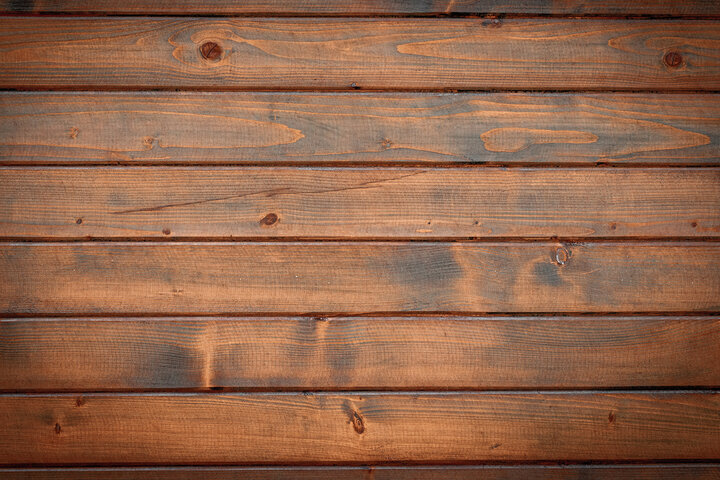
Common wood styles
- Lap (bevel) siding
- Shingles / shakes
- Board-and-batten
- Tongue-and-groove / channel rustic
- Smooth or rough-sawn finishes
Vinyl vs Wood Siding Comparison Table
| Factor | Vinyl Siding | Wood Siding |
| Upfront cost | Often lower | Often higher |
| Installation cost drivers | Faster install; fewer finish steps | More labor; careful detailing; may need priming/finishing |
| Lifespan (typical ranges) | Often 20–40+ years (product/installation dependent) | Often 20–40 years, and longer is possible with excellent maintenance |
| Maintenance reality (real-world) | Wash + occasional repairs | Paint/stain/seal cycles + caulk/touch-ups + spot repairs |
| Moisture/rot risk | Won’t rot, but water can get behind (WRB/flashing matters) | Rot risk if finish fails or moisture gets trapped |
| Pests | Not a food source | Susceptible to termites/carpenter ants where conditions allow—risk rises when damp/unsealed |
| Impact resistance | Can crack with sharp impacts (varies by tier/temp) | Can dent/split; boards can be replaced |
| Energy efficiency | Insulated vinyl can add continuous insulation (often marketed around R-2 to R-3, product-dependent); both rely on wall insulation + air sealing | Siding itself isn’t a major insulator; relies on wall insulation + air sealing |
| Sound performance | Siding alone won’t “soundproof”; insulated vinyl + better wall sealing can help a bit | Some dampening from material mass, but real noise control comes from wall assembly |
| Fire performance | Plastic-based; can deform/melt under high heat | Combustible material |
| Curb appeal / design | Many profiles/colors; premium tiers look best | Authentic character; paint/stain offers maximum customization |
| Repair difficulty | Often easier to swap a panel/section | Board-by-board repair possible; finish matching takes skill |
| Warranty expectations | Often longer “limited lifetime” style warranties (terms vary by manufacturer) | Varies widely by wood species/finish; maintenance requirements matter |
| Resale value / ROI | Strong value-for-cost upgrade; market-dependent | Can feel premium in the right market; strongly tied to condition/maintenance |
| Best for | Low-maintenance homes, rentals, budget refresh | Historic/high-character homes, owners comfortable maintaining |
Is Vinyl Siding Better Than Wood Siding?
Vinyl siding is better than wood siding for homeowners who prioritize low maintenance and predictable ownership. Wood siding can be better if you want authentic character and you’ll maintain it consistently.
- Vinyl avoids the scheduled repaint/stain cycle most homeowners don’t want to manage.
- Wood delivers the “real wood” look that many buyers consider premium—when it’s maintained.
- If your home has shaded walls, heavy rain exposure, or sprinklers near the foundation, vinyl is often the lower-risk choice.
- If your home’s style is historic, craftsman, or custom, wood may look more “right” than any alternative.
Is It Cheaper to Do Vinyl Siding or Wood Siding
In most cases, it’s cheaper to do vinyl siding than wood siding, especially long-term. Wood can be worth it for the look, but it typically costs more to own due to maintenance.
- Vinyl usually installs faster and doesn’t require painting/staining during installation.
- Wood often requires more labor and finish work, plus ongoing paint/stain/seal upkeep.
- Wood costs can jump later if moisture-related repairs appear (trim edges, window areas, near grade).
- Your quote depends heavily on height/access, tear-off, trim scope, and hidden repairs behind the existing siding.
Bid-comparison tip: Make sure both quotes include the same scope: tear-off, disposal, trim, WRB/house wrap approach, window/door flashing details, and repair allowances.
Does Wood Siding Last Longer Than Vinyl
Wood siding can last longer than vinyl if it’s maintained and kept dry. Vinyl can also last decades with quality material and correct installation, often with less work to keep it performing.
- Wood longevity depends on finish upkeep and moisture control—especially at end grain, joints, and near the ground.
- Vinyl longevity depends on product quality and correct installation that allows expansion/contraction.
- Harsh exposure (sun, wind-driven rain, freeze-thaw) punishes neglected wood faster than well-installed vinyl.
- If you want longevity with less effort, vinyl is often the safer bet.
Real Maintenance Costs (What You’ll Actually Deal With)
Vinyl maintenance (typical)
- Wash as needed (dirt/pollen/algae in shaded areas)
- Inspect after storms (loose panels, cracks, trim damage)
- Reseal/maintain around penetrations (lights, vents, hose bibs)
- Replace a damaged panel/section when needed
Why homeowners like it: most upkeep is occasional—not a scheduled paint cycle.
Wood maintenance (typical)
- Periodic paint, stain, or sealing (frequency varies by sun/climate/prep)
- Regular touch-ups and caulking at joints, trim, and transitions
- Spot repairs: replace boards/shingles early before damage spreads
- Keep sprinklers/vegetation away; maintain clearances from soil and roofs
What happens when maintenance is skipped
- Finish fails → wood absorbs moisture/UV damage
- Cracking/cupping opens joints → water intrusion risk increases
- Rot can start at edges, near grade, and around windows/doors
- Repairs shift from touch-ups to replacement work (and it escalates quickly)
Climate Fit: Where Each One Wins
Your local conditions matter more than most people expect.
- Wet/humid climates: vinyl is often lower-risk because it can’t rot. Wood can still work, but it demands disciplined finish maintenance and strong drainage details.
- Freeze-thaw / cold winters: vinyl can be more brittle during cold snaps (impact damage risk). Wood can also check and move if moisture cycles aren’t controlled.
- High sun/heat: lower-grade vinyl may fade or warp if installed incorrectly; wood finishes can break down faster on south/west exposures.
- Coastal/salt air: both can work, but fasteners, flashing, and keeping water out become even more important.
Contractor rule: Most siding “material failures” are actually detail failures—flashing, WRB continuity, and clearances.
Energy Efficiency: R-Values and Real Expectations
Siding isn’t where most insulation happens. Comfort and energy performance come from wall insulation + air sealing.
- Standard vinyl and wood siding have minimal insulating impact by themselves.
- Insulated vinyl is the exception: it adds a foam layer that provides continuous insulation (often marketed around R-2 to R-3, depending on the product).
Best takeaway: If comfort and drafts are your goal, ask your contractor about the whole wall system—air sealing, WRB, flashing, and whether insulated vinyl fits your home.
Sound Performance: Will New Siding Make the House Quieter?
A siding swap alone won’t “soundproof” a home. Noise control usually comes from the wall assembly: insulation, air sealing, and eliminating gaps. Insulated vinyl can help a bit, but set realistic expectations.
Styles and Customization (Fast Side-by-Side)
| Style / Customization | Vinyl | Wood |
| Lap / clapboard | ✅ | ✅ |
| Dutch lap | ✅ | (less common) |
| Board-and-batten look | ✅ | ✅ |
| Shakes / shingles | ✅ | ✅ |
| Smooth vs textured | ✅ | ✅ |
| Custom colors | Factory colors | Paint/stain any color |
| Change color later | Possible, but not the main advantage | Easy (repaint/restain) |
| Best “authentic grain” | — | ✅ |
Environmental Impact and Sustainability (Practical, Not Preachy)
Sustainability depends on sourcing, lifespan, maintenance coatings, and end-of-life.
Wood siding
- Wood can be a renewable resource when responsibly sourced and is biodegradable at end-of-life.
- Reclaimed wood or sustainably harvested wood can reduce environmental impact.
- The tradeoff: more maintenance coatings over time (paint/stain/sealers), depending on your approach.
Vinyl siding
- Vinyl is petroleum-based. Recycling exists in some areas, but end-of-life recycling is inconsistent and disposal often ends up as landfill.
- The upside: low maintenance and long service life can reduce replacement cycles when the system is installed well.
Best “green” takeaway: A long-lasting exterior you don’t replace early is usually the most sustainable outcome.
Which Siding Is Best for Resale Value?
Resale depends on your neighborhood and the condition of the home—buyers react to what they see.
- Vinyl often delivers strong “before and after” curb appeal for the money, especially when your existing siding looks tired.
- Wood can feel more premium in certain neighborhoods—but only if it’s maintained and looks sharp.
- Buyers notice straight lines, clean trim, and good condition more than the material label.
- If you might sell soon, prioritize the option that will look best consistently between now and listing day.
What Are the Disadvantages of Wood Siding?
The main disadvantages of wood siding are maintenance and moisture risk. It can look amazing, but it’s less forgiving if upkeep slips.
- Requires regular paint/stain/seal maintenance (varies by exposure)
- Higher risk of rot if water gets in and stays in
- Susceptible to termites/carpenter ants where conditions allow—risk increases when damp/unprotected
- More frequent touch-ups and spot repairs
- Higher long-term ownership effort than low-maintenance siding
Mitigation tip: Choose proper clearances, protect end grain, keep sprinklers off siding, and inspect trouble spots (near grade, shaded walls, and around windows/doors).
Common Installation Mistakes to Avoid
These cause most siding problems—regardless of material:
- Missing/incorrect flashing at windows and doors
- Wrong clearances at roofs, decks, patios, and grade
- Vinyl installed too tightly (buckling/waviness)
- Poor sealing at penetrations (vents, lights, hose bibs)
- Unprotected wood end grain and field cuts
- Covering damaged sheathing/rot instead of repairing it
Best question to ask your contractor:
“How are you handling WRB/house wrap, flashing, and water management?”
How to Choose for Your Home (Decision Checklist)
Use this quick checklist before you decide:
- Do you want low maintenance or are you comfortable with scheduled paint/stain upkeep?
- Are any walls heavily exposed to rain, shade, or sprinklers near grade?
- How intense is your sun exposure (especially south/west walls)?
- Is your home style historic/custom, where authentic wood may matter?
- Are you selling soon or staying long-term?
- Do you want optional comfort upgrades (like insulated vinyl)?
- Which material will look good with your trim package and architectural details?
- Has your contractor explained the water-management plan (WRB + flashing + clearances)?
FAQ: Vinyl vs Wood Siding
Is vinyl siding better than wood siding?
Vinyl is usually better for low maintenance and predictable upkeep. Wood is better for authentic character if you’re willing to maintain it.
Is it cheaper to do vinyl siding or wood siding?
Most of the time vinyl is cheaper upfront and typically cheaper long-term due to less scheduled maintenance.
Does wood siding last longer than vinyl?
Wood can last longer if maintained and kept dry, but vinyl can also last decades and usually requires less ongoing work.
What are the disadvantages of wood siding?
Maintenance commitment, higher moisture/rot risk if upkeep slips, and greater vulnerability to wood-destroying insects when damp.
Can I mix vinyl and wood siding on the same home?
Yes. Many homes use wood (or wood-look) in accent areas and vinyl elsewhere. It can look great—just make sure transitions are detailed correctly for water management.
Can you install vinyl over existing wood siding?
Sometimes, but it depends on what’s underneath. If there’s rot, uneven walls, or moisture issues, covering it can hide problems. A proper inspection should decide.
Does vinyl siding devalue a home?
Not usually. Clean, straight, well-installed vinyl typically improves curb appeal. Product quality and installation detail matter more than the label.
What maintenance mistakes shorten wood siding life fastest?
Skipping touch-ups, letting sprinklers soak the siding, ignoring peeling paint near windows/doors, and leaving end grain unprotected.
Conclusion
For most homeowners, vinyl siding vs wood siding is a tradeoff between maintenance and character. Vinyl delivers predictable ownership with low upkeep. Wood delivers unmatched authenticity—if you maintain it. When deciding on wood siding vs vinyl, prioritize water management details (WRB, flashing, and clearances) and choose the option you can realistically maintain.
Ready for a written quote you can compare?
Good Life Construction can provide measurements, material options, a clear scope, and a practical flashing/water-management plan—so you can choose confidently without surprises.