

If you’re comparing fiber cement siding vs vinyl, you’re likely at the “make the right call” stage—close to getting quotes and wanting a clear, homeowner-focused breakdown without sales fluff. At Good Life Construction, siding is one of our core specialties, and as an experienced siding contractor, we help homeowners weigh real-world performance, maintenance, and value—not just marketing claims.
Here’s the simple guidance we give customers:
- Choose fiber cement if you want a more premium look, excellent durability, and stronger fire performance—and you’re okay with a higher install cost and repainting later.
- Choose vinyl if you want a lower upfront investment, simpler long-term maintenance, and a fast exterior refresh—especially if you choose a higher-quality product or insulated vinyl.
Fiber Cement Siding vs Vinyl: Side-by-Side Comparison
| Factor homeowners compare | Fiber Cement Siding | Vinyl Siding |
| Upfront cost | Typically higher | Typically lower |
| Installation cost | Higher labor (heavier, more cutting/detail work) | Lower labor (faster install, lighter handling) |
| Siding lifespan | Long when installed well; finish upkeep matters | Long with quality product + correct installation |
| Maintenance | Wash + touch-ups; repaint over time | Wash; no routine repainting |
| Moisture resistance | Won’t rot; needs correct clearances/flashing | Won’t rot; needs proper drainage/flashing |
| Impact resistance | Strong; can chip/crack with sharp impact | Varies by thickness; can crack in cold, warp in heat |
| Energy efficiency | Not an insulator; relies on wall insulation behind | Insulated vinyl adds continuous insulation and can reduce thermal bridging |
| Fire resistance | Often available with Class A / Class 1(A) ratings depending on product/testing | Can melt/warp at high heat; generally lower fire performance |
| Design flexibility | Paintable/custom colors; strong wood-look options | Wide range of profiles and colors; premium lines look best |
| Repair difficulty | Moderate (board replacement + finish blending) | Often easier (swap a panel/section) |
| Resale value / ROI | Often higher ROI in Cost vs. Value reporting | Strong ROI, usually slightly lower than fiber cement |
| Best for | Long-term owners, premium curb appeal, fire-conscious areas | Budget and low-maintenance priorities, rentals, quick refresh |
Fiber Cement vs Vinyl Cost: Installation Pricing Explained
When homeowners look up fiber cement siding cost vs vinyl, they usually want to know why quotes can be so different. The biggest drivers aren’t just the siding choice—they’re your home’s layout and the scope of work.
Cost factors that matter on real homes
- Tear-off and disposal of existing siding
- Repairs discovered underneath (sheathing, rot, framing around windows)
- Amount of trim work (windows/doors, corners, soffit/fascia tie-ins)
- Height and access (single-story vs. multi-story, scaffolding/lifts)
- Architectural complexity (gables, bump-outs, mixed materials)
- Local labor rates and permit requirements
Why fiber cement usually costs more to install
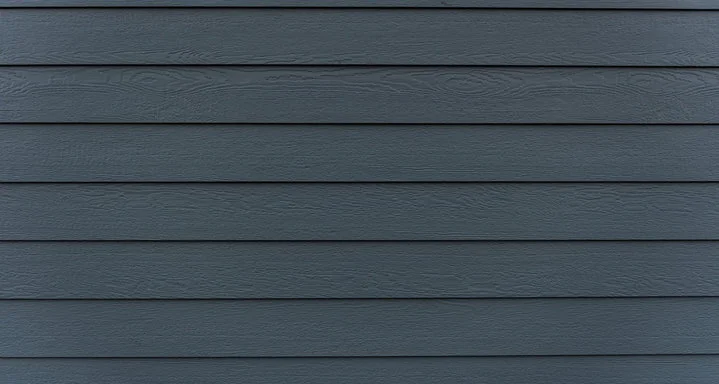
Fiber cement is heavier and more labor-intensive. It typically requires more time to handle, cut, and detail cleanly—especially around trim and transitions. That additional labor is what raises installation cost on most projects. Fiber cement siding example:
Why vinyl usually costs less to install
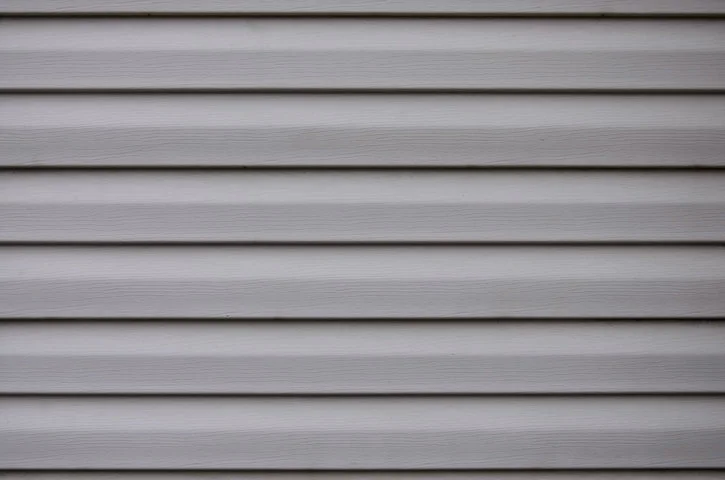
Vinyl is lighter and faster to install on many homes. On straightforward elevations, speed lowers labor hours and keeps the project timeline shorter. Vinyl siding example:
Homeowner tip: When comparing bids, confirm both include the same scope: tear-off, WRB/water management plan, flashing details, trim, and allowances for repairs. That’s how you avoid “low bids” that expand mid-project.
Durability: Which Siding Holds Up Better?
If you’re trying to pick the best siding for durability, focus on how the material behaves in your climate and how forgiving it is when life happens (hail, sun exposure, impacts, moisture).
Moisture resistance (and what homeowners should watch for)
Both vinyl and fiber cement won’t rot like wood. But neither one replaces proper water management.
- Vinyl: Water can get behind siding during wind-driven rain. That’s normal—your wall assembly needs a proper water-resistive barrier and flashing to drain and dry.
- Fiber cement: Performs very well, but edges and joints need proper clearances and detailing so the siding isn’t constantly exposed to wet conditions at rooflines, decks, or grade.
Bottom line: Most moisture-related failures are installation/detail failures (flashing, clearances, drainage), not “the wrong siding.”
Impact resistance (hail and everyday hits)
- Fiber cement: Generally tough, but a sharp, hard hit can chip or crack a board.
- Vinyl: Performance depends heavily on thickness and product tier. Lower-grade vinyl can crack in extreme cold impacts or warp/ripple in high heat—especially if installed too tightly.
Siding Lifespan: What to Expect Long-Term
Both options can deliver a long siding lifespan when installed correctly, but they age differently:
- Vinyl is “finish built-in.” You’re mostly washing and replacing sections if damaged.
- Fiber cement can last a long time structurally, but the finish (paint) is the maintenance item you plan for over time.
If you want the lowest ongoing upkeep, vinyl often wins. If you want a premium painted look and don’t mind a repaint cycle later, fiber cement is a strong long-term investment.
Maintenance: What You’ll Actually Do
Vinyl siding maintenance (typical)
- Rinse/wash as needed (dust, pollen, algae/mildew in shaded areas)
- Inspect penetrations and trim lines periodically
- Replace panels if damaged
Fiber cement siding maintenance (typical)
- Rinse/wash as needed
- Keep joints/penetrations in good shape
- Touch up chips/exposed edges
- Plan for repainting over time (timing depends on exposure, finish quality, and local conditions)
If maintenance is a deciding factor for you, ask your contractor what upkeep they expect in your specific climate and sun exposure.
Energy Efficiency: Insulation and Comfort
This is a major homeowner concern—and the honest answer is: neither material is a great insulator by itself. Most of your energy performance comes from the wall assembly (insulation, air sealing, and reducing thermal bridging).
What vinyl can do (especially insulated vinyl)
Insulated vinyl siding is vinyl with rigid foam insulation attached. This can add continuous insulation and help reduce thermal bridging through studs—improving comfort and overall wall performance.
Industry standards for insulated vinyl siding also specify minimum thermal performance (R-value) requirements for compliant products.
When it matters most: older homes with limited wall insulation, mixed climates, and homeowners prioritizing comfort and reducing drafts—especially when paired with good air sealing.
What fiber cement can do (and what it can’t)
Fiber cement has thermal mass (it can absorb/release heat), but it is not a true insulating layer. For energy savings, performance comes from insulation behind the siding and proper air/water sealing, not the fiber cement panel itself.
Homeowner takeaway: If energy efficiency is a top priority, ask about the whole system: air sealing, WRB, flashing, insulation strategy, and whether insulated vinyl makes sense for your home.
Design, Color, and Style Options
This is where many homeowners decide—because siding is a huge part of your home’s appearance and resale appeal.
Fiber cement design strengths
- Paintable for custom colors and future color changes
- Strong wood-look options and crisp shadow lines
- Works well for modern, craftsman, farmhouse, and traditional designs
- Available in prefinished options depending on product line
Best for: homeowners who want a more custom, “high-end” exterior and don’t mind painting down the road.
Vinyl design strengths
- Wide range of profiles and textures to match different home styles
- Available in many factory colors with a finish that typically doesn’t require repainting
- Known for strong color variety and “no-paint” convenience (often highlighted as a key benefit)
- Overall look and realism can vary by manufacturer and product tier (premium lines usually look best)
Best for: homeowners who want variety, lower maintenance, and a clean, consistent exterior with a predictable finish.
Pro tip: Ask to see completed projects (not only samples). Trim packages and installation quality make or break curb appeal.
Fire Resistance: Fiber Cement vs Vinyl Siding
If fire risk is part of your decision (wildfire regions or close-set neighborhoods), it’s reasonable to ask about ratings.
- Fiber cement products are often cited as available with Class A / Class 1(A) fire ratings depending on the specific product and testing.
- Vinyl siding is a plastic product and can melt/warp under high heat, which is why it’s generally not promoted as a fire-resistant siding choice.
Important: Fire performance isn’t only siding. Roofs, vents, soffits, ember entry points, and defensible space often matter more. If you’re in a fire-prone area, ask your contractor about a full exterior strategy.
Resale Value and ROI: What You Get Back
Most homeowners aren’t just choosing siding for today—they’re thinking about what it does for home value and whether the project is a smart investment.
Here’s the practical reality:
- Fiber cement often returns more at resale because buyers tend to view it as a more premium exterior (painted look, crisp details, “solid” feel).
- Vinyl can still be a strong ROI project because it’s usually a lower-cost way to dramatically improve curb appeal—especially if your current siding looks worn.
How we frame it for homeowners:
- If your goal is premium curb appeal and you want your home to feel “upgraded” to future buyers, fiber cement often has the advantage.
- If your goal is the best visual upgrade for the lowest upfront cost, vinyl can be the smarter value play.
Quick tip: ROI depends heavily on your neighborhood and market. If you’re unsure, ask your contractor to show photos of similar homes and explain which option is most common (and most desirable) in your area.
Choose This If… (Fast Checklists)
Choose fiber cement if you want:
- Premium curb appeal and a painted, architectural look
- Strong durability and a more “solid” feel
- Better fire performance (product-dependent)
- Long-term investment and you’re okay repainting later
Choose vinyl if you want:
- Lower upfront cost and faster installation
- Low maintenance (no repaint cycle)
- Lots of profile/color choices
- Optional energy upgrade with insulated vinyl
Biggest Installation Mistakes to Avoid
If you want your siding to perform long-term, avoid these common issues:
- Weak or missing flashing around windows/doors
- Incorrect clearances at roofs, decks, patios, and grade
- Vinyl installed too tightly (leads to waviness/buckling)
- Sloppy detailing at penetrations (vents, lights, hose bibs)
FAQ: Fiber Cement Siding vs Vinyl
Is fiber cement worth it?
Often yes if you want premium curb appeal, strong durability, and better fire performance—and you plan to stay in the home long-term.
How long does vinyl siding last?
Quality vinyl can last for decades. Product tier and correct installation are the biggest factors.
Does fiber cement crack?
It can crack from sharp impact or improper installation/handling. Correct fastening and detailing help prevent problems.
Can you paint vinyl siding?
Yes, but it requires the right prep and products. Many homeowners choose vinyl specifically to avoid painting.
Which siding is best for rainy climates?
Either can work well. Proper flashing, drainage, and clearances matter more than the material.
Is insulated vinyl siding actually more energy efficient?
It can be. Insulated vinyl provides continuous insulation and helps reduce thermal bridging, improving comfort and overall wall performance when installed properly.
Which is more fire resistant?
Fiber cement is commonly available with Class A / Class 1(A) ratings depending on product/testing; vinyl generally has lower fire performance and can deform under high heat.
Which increases resale value more?
Cost vs. Value reporting often shows fiber cement siding replacement with higher ROI than vinyl, though both can be solid investments depending on your market.
Conclusion: Fiber Cement Siding vs Vinyl
When homeowners compare fiber cement siding vs vinyl, the best choice comes down to priorities:
- Choose fiber cement for premium curb appeal, strong durability, and stronger fire performance—accepting higher installation cost and future repainting.
- Choose vinyl for lower upfront cost, low maintenance, broad style options, and the possibility of improved comfort with insulated vinyl.
Still not sure? Compare samples in person, review real project photos, and ask your contractor to explain their flashing and water-management plan.